
What Cargo Theft Actually Costs Your Fleet – And Four Ways to Fight Back
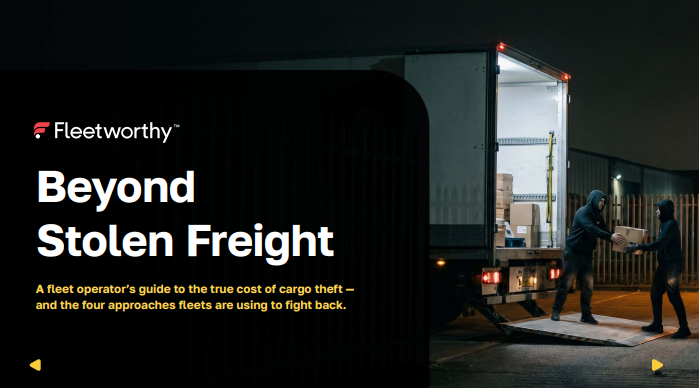
Cargo theft hit a record high in 2025 and the trends don’t show it slowing down. For most fleet operators, those numbers understate the real exposure. That’s why top fleets are fighting back.This guide covers:What cargo theft actually costs a modern fleet, beyond the claim Why the indirect bill can dwarf the value of the […]
How rideshare makes customer transport a differentiator

Service leaders face immense pressure to keep customers informed, reduce wait-time frustration, and control costs. Ride coordination can deliver a meaningful advantage when it is centralized, helping teams standardize the customer experience, reduce manual work, and gain clearer visibility into usage and spend. Join Uber for Business for a case study conversation with Straightaway Tire & […]
Behind the Badge: What Fleets Should Really Know about ISS Scores
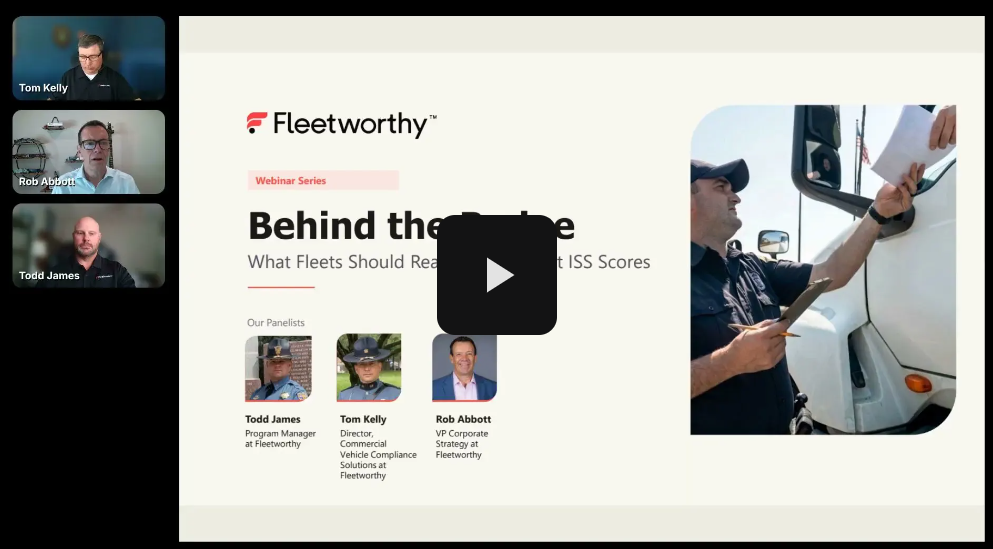
Most carriers know their ISS scores. Fewer understand behind the scenes when a trooper decides to perform an inspection. In this webinar, two former commercial vehicle enforcement officers discuss how a roadside inspection works from the moment your truck hits the bypass system to what ends up in the FMCSA database. It’s a behind the scenes look […]
The hidden costs of fragmented employee spend

Today’s rising costs and uncertain economy are forcing business leaders to realize efficiencies and drive savings around employee travel and expense (T&E). A critical first step in this goal is understanding where T&E is actually going, and why so much of it slips through the cracks.This webinar explores how companies can address fragmentation by reimagining […]
What Shippers Should Look For in a Logistics Partner
The unpredictability of today’s supply chain is the new normal, and has transformed logistics from a competitive advantage into an imperative. This volatility has resulted in many shippers absorbing hidden risks, and requires them to reexamine their traditional broker model. This playbook explores why the traditional broker model no longer works for modern freight movements […]
The PFAS Handbook:
Minnesota’s PFAS reporting requirements begin in September 2026, followed by New Mexico’s reporting and product restrictions in January 2027, increasing urgency for manufacturers to identify and mitigate PFAS risk now. This comprehensive handbook gives you the knowledge and framework you need to identify, assess, and mitigate PFAS risks across your supply chain and operations. In […]
Practical Tips for Time-Pressed Food & Bev Category Managers
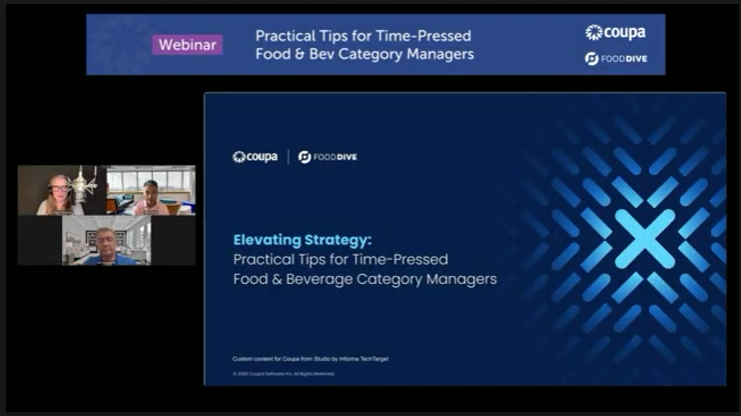
We live in uncertain times. Evolving consumer preferences, climate uncertainty, shifting geopolitics, and heightened sustainability expectations are all impacting food and beverage supply chains. Category managers are under pressure to accommodate these forces while also working more collaboratively with suppliers, reducing waste, and diversifying their supply chain — all without impacting quality. While the first […]
Why Data Center Supply Chains Are Key to AI Expansion

This survey report explores insights from supply chain leaders on how they’re responding to supply chain uncertainty in a volatile environment. Data center supply chains are critical for AI deployment, and hyperscalers and colocation providers face mounting pressure to build faster, scale smarter and operate without interruption. But with supply chain uncertainty, any delay carries […]
Where Is PFAS in Your Supply Chain?
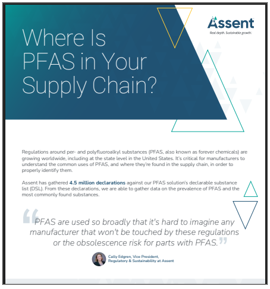
Minnesota’s PFAS reporting requirements begin in September 2026, followed by New Mexico’s reporting and product restrictions in January 2027. Manufacturers without clear PFAS visibility face increasing compliance risk and potential supply chain disruption. This data-driven infographic reveals where PFAS are most commonly found, which substances are most prevalent, and how quickly PFAS exposure is increasing […]
Avoiding PFAS Obsolescence: Your Checklist for Success
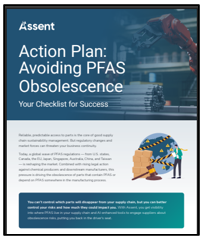
Key PFAS compliance deadlines are approaching quickly for manufacturers. Minnesota’s PFAS reporting requirements begin in September 2026, followed by New Mexico’s reporting and product restrictions in January 2027, increasing pressure to identify PFAS risk before disruptions impact operations and supply continuity. This practical checklist helps manufacturers identify PFAS risks, prioritize mitigative actions, and maintain business […]