
Predictive Analytics in B2B Marketing in 2027: From Lead Scoring to Revenue Forecasting
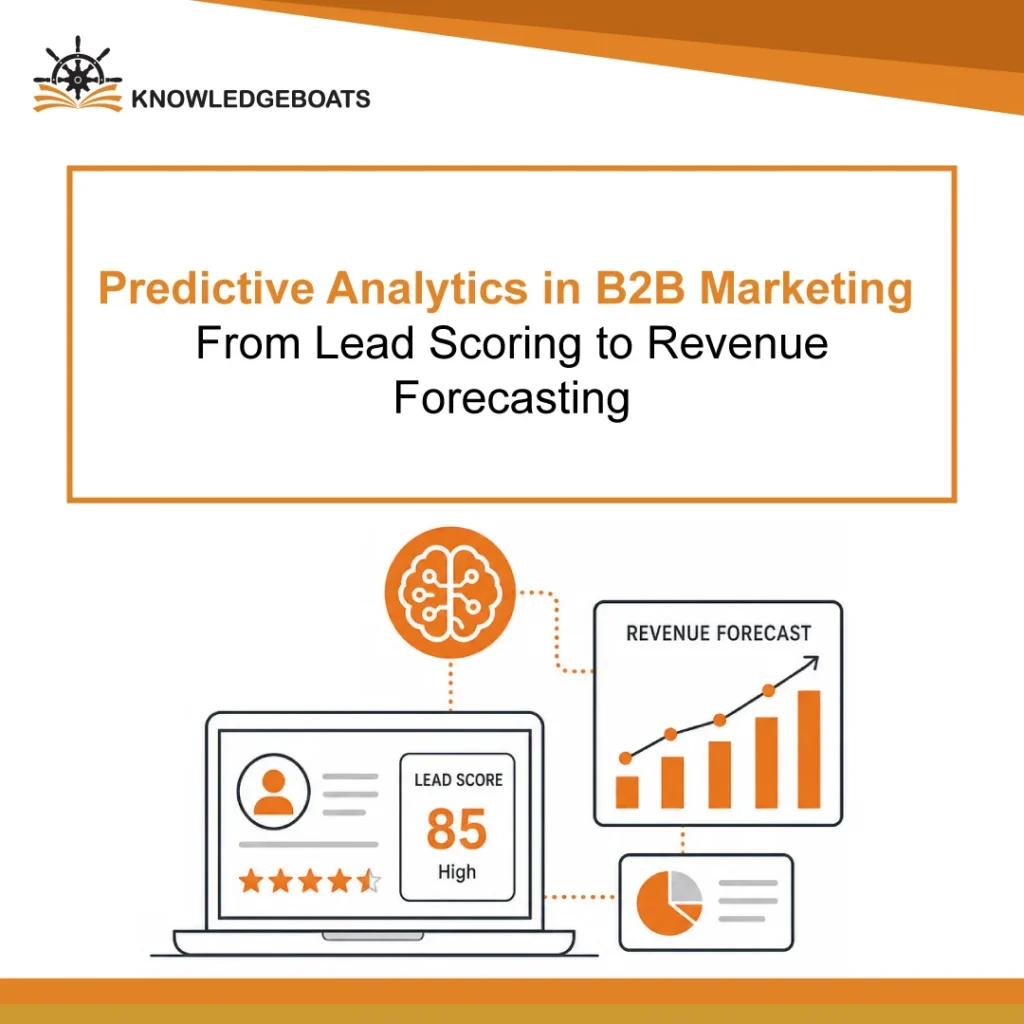
Predictive analytics in B2B marketing forecasts which leads are likely to convert and the revenue your pipeline can generate, based on historical and live data. Enterprises often emphasize B2B predictive lead scoring, but many of them stop there. A score alone will not tell you where to invest next or how much revenue to expect. […]
B2B SaaS Customer Acquisition Cost: How to Calculate and Reduce CAC in 2026
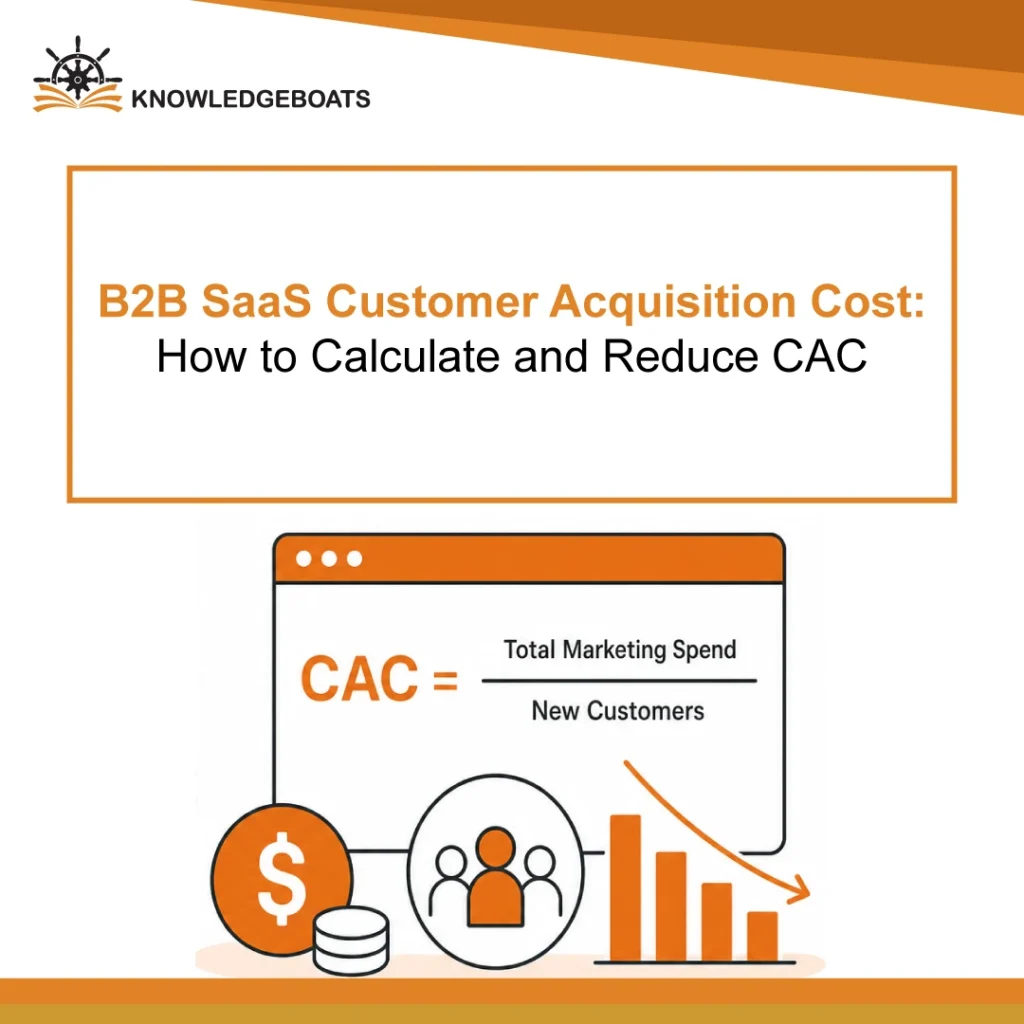
The total marketing and sales spend to convert one new customer is called B2B SaaS customer acquisition cost, and it determines how much growth costs the business. For many SaaS categories, longer B2B sales cycles, expanding buying committees, and rising paid media costs have pushed CAC upward in 2026. The focus has shifted to accurately […]
Technology Stack Consolidation: How Businesses Can Reduce Martech and SaaS Complexity in 2026
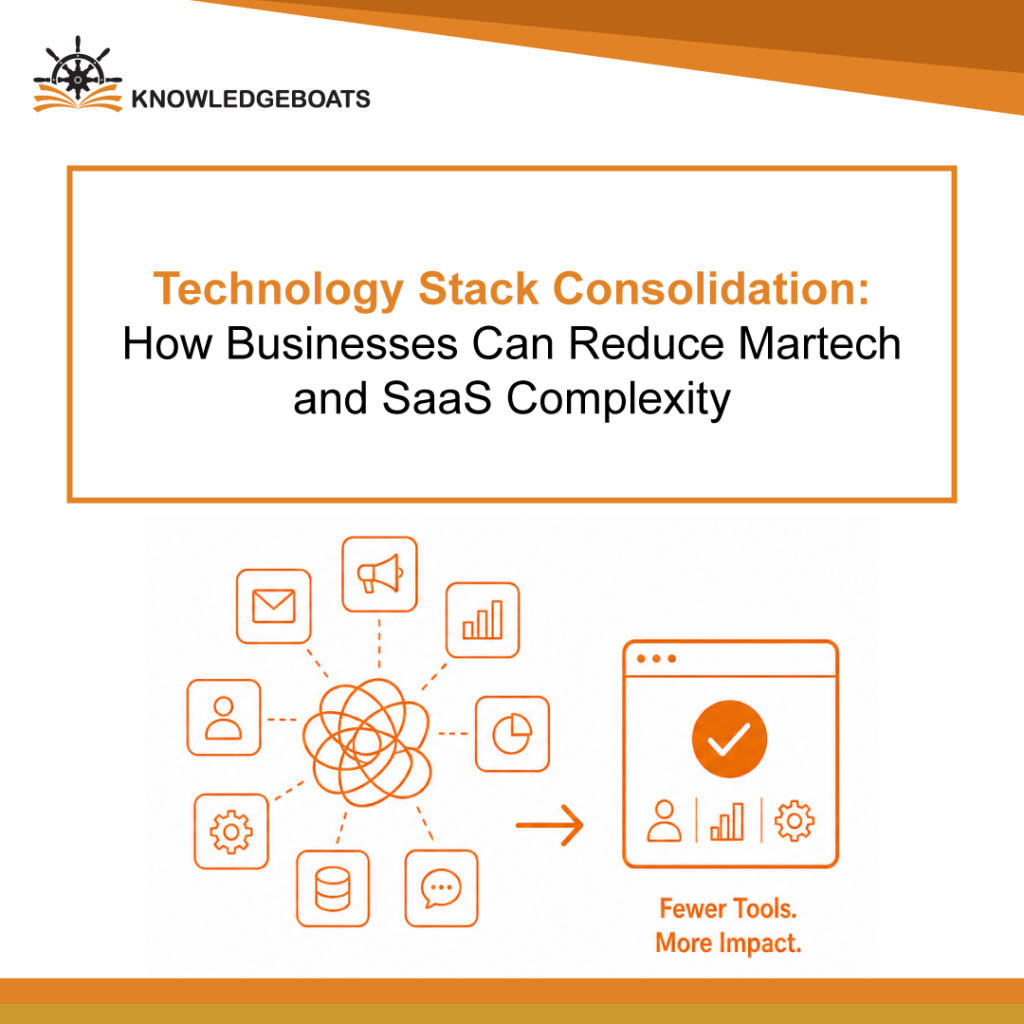
Technology stack consolidation can channelize software investments into platforms producing measurable business outcomes, unify fragmented data, and eliminate redundant tools, reducing operational costs and complexity. B2B teams buy many applications for different purposes but rarely evaluate them against what they already have. Enterprises often frame technology stack management as a cost reduction program, but the […]
Build vs. Buy Technology Decisions in 2026: A Framework for B2B Technology Leaders
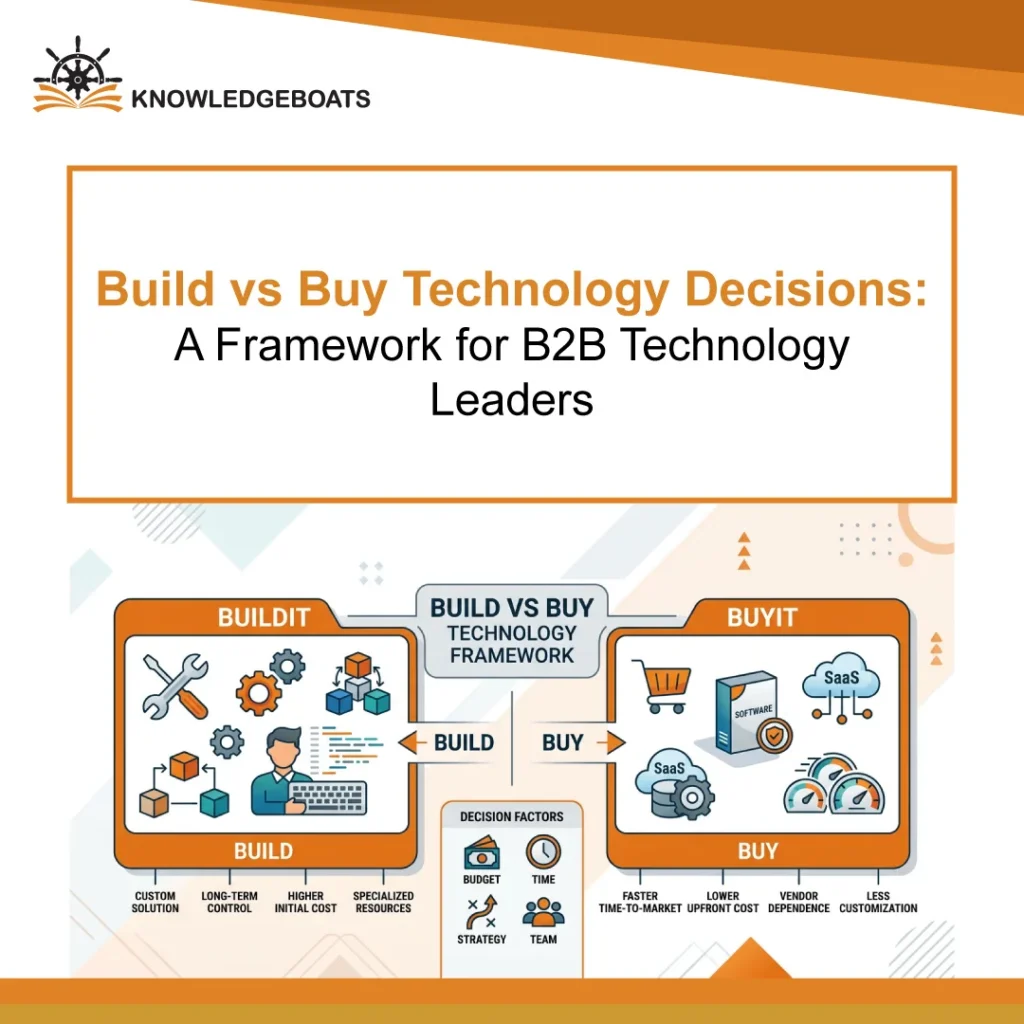
Along with a company’s internal software development capabilities, the right build vs buy technology decision depends on long-term control, total cost, strategic differentiation, risk, and speed. The conventional belief of “build for differentiation, buy for everything else” is incomplete in 2026, though it is useful. Because procurement is familiar and SaaS is fast, B2B teams […]
How Digital Experiences Influence Buying Decisions in 2026
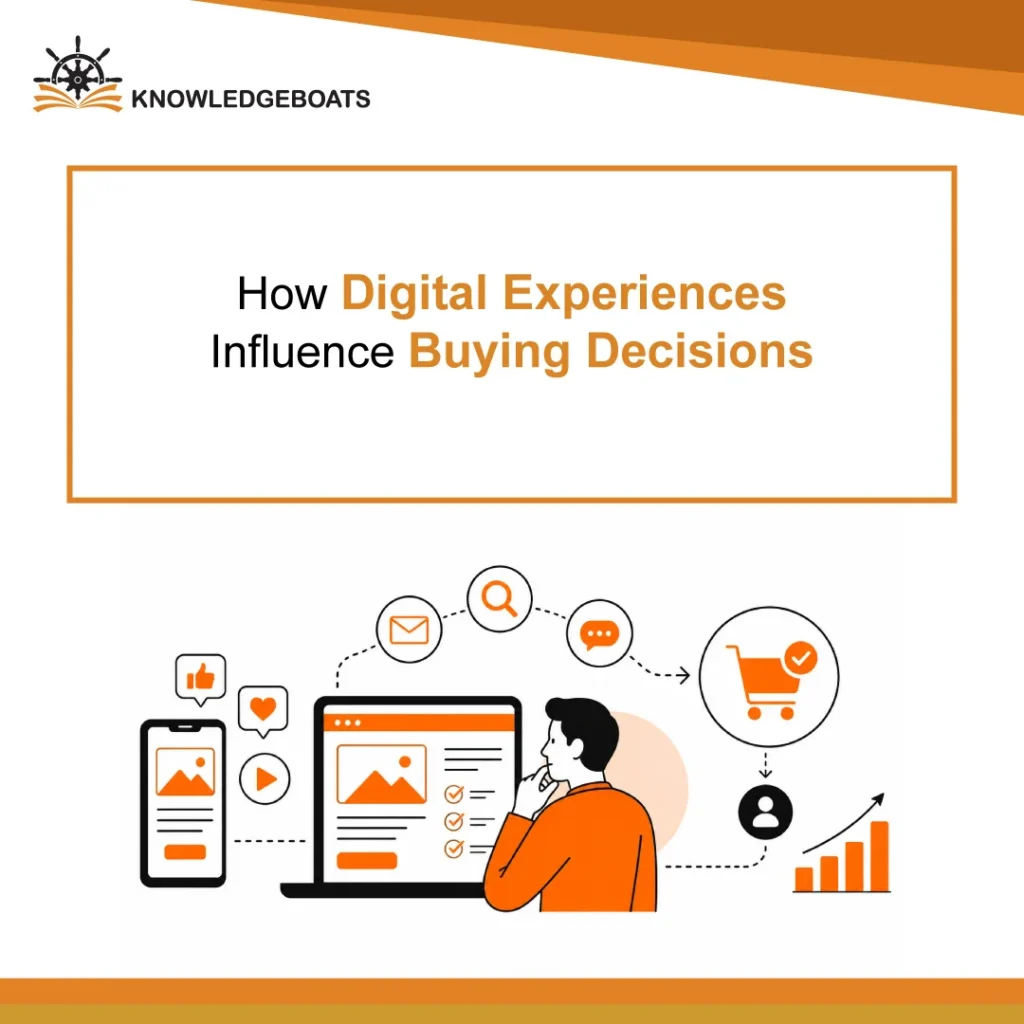
Digital experiences shape the buyer’s trust level before their first interaction with B2B teams, influencing their buying decisions. Content relevance, website quality, chatbot responsiveness, and consistency across all digital touchpoints collectively influence whether the buyer adds the vendor to the shortlist. B2B enterprises often treat digital customer experience as a design issue, but in reality, […]
How Revenue Operations Aligns Sales and Marketing in 2026
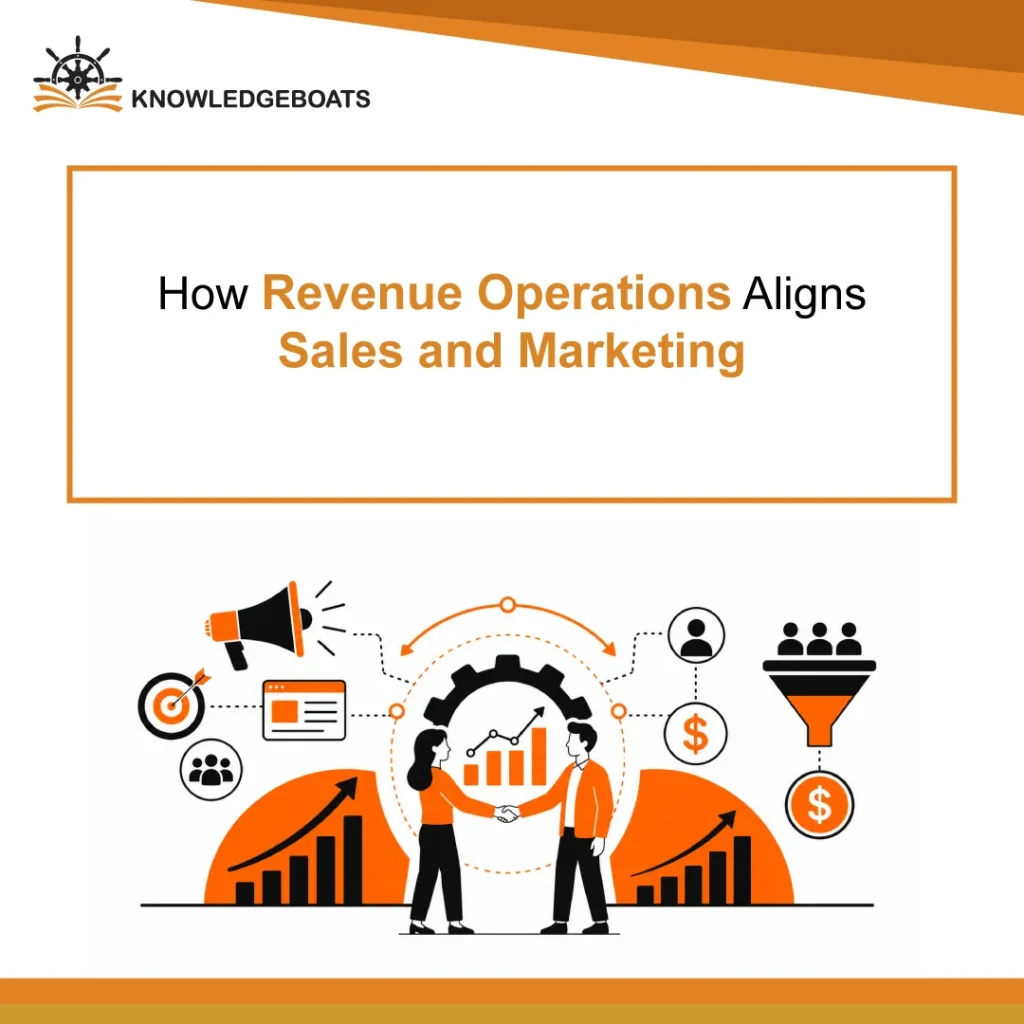
RevOps provides shared revenue goals, data, accountability across the buyer journey, and processes to sales and marketing functions to align them. This operating model reduces pipeline gaps caused by functional misalignment through shared definitions, accountability, and data. Yet, many B2B enterprises treat the misalignment problem as a communication issue. Joint planning sessions rarely bridge this […]
How Supplier Risk Monitoring Improves Supply Chain Resilience in 2026
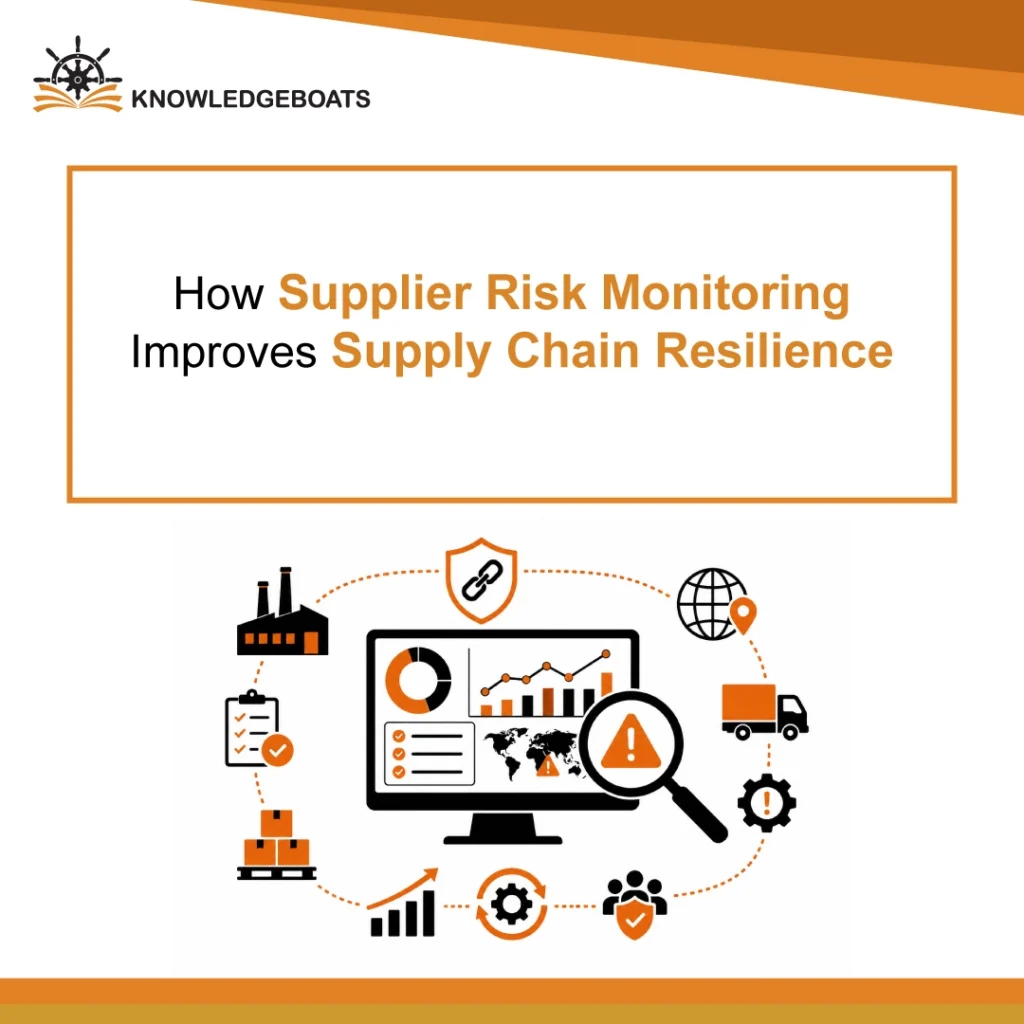
B2B enterprises can detect supplier instability through supplier risk monitoring before it becomes a supply chain disruption. Companies that detect problems early and respond before they can hamper procurement often build resilient supply chains. Many B2B teams treat supplier risk mitigation as a procurement audit task. Although this method tracks past activities, it rarely detects […]
Data Democratization: Opportunities and Risks in 2026
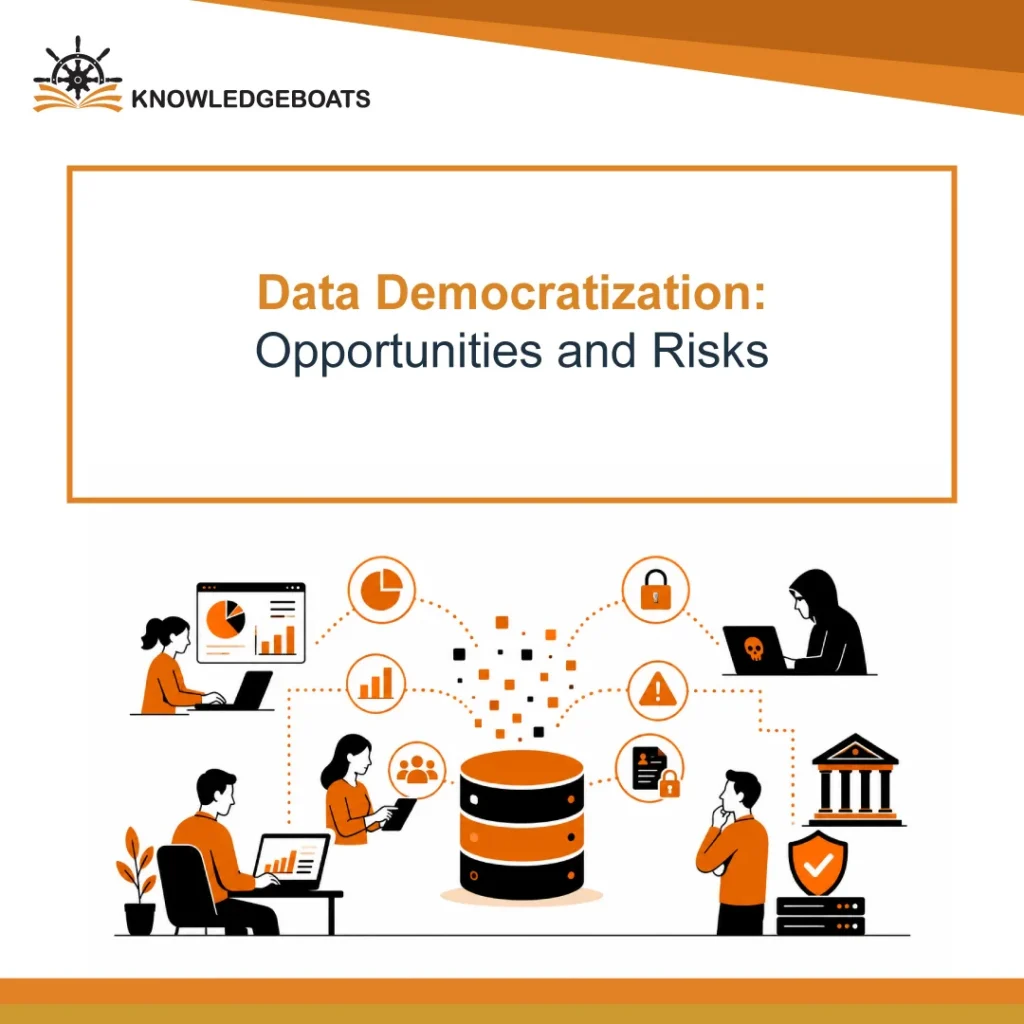
The data democratization strategy offers B2B enterprises access to governed and trusted data whenever required, and its core objective goes beyond providing broader access to enable better decision-making. Many B2B teams misinterpret data democratization as data access. While access implies the availability and usability of data, democratization brings accountability to its meaningful use. Google Cloud […]
Building a Modern Data Governance Strategy in 2026
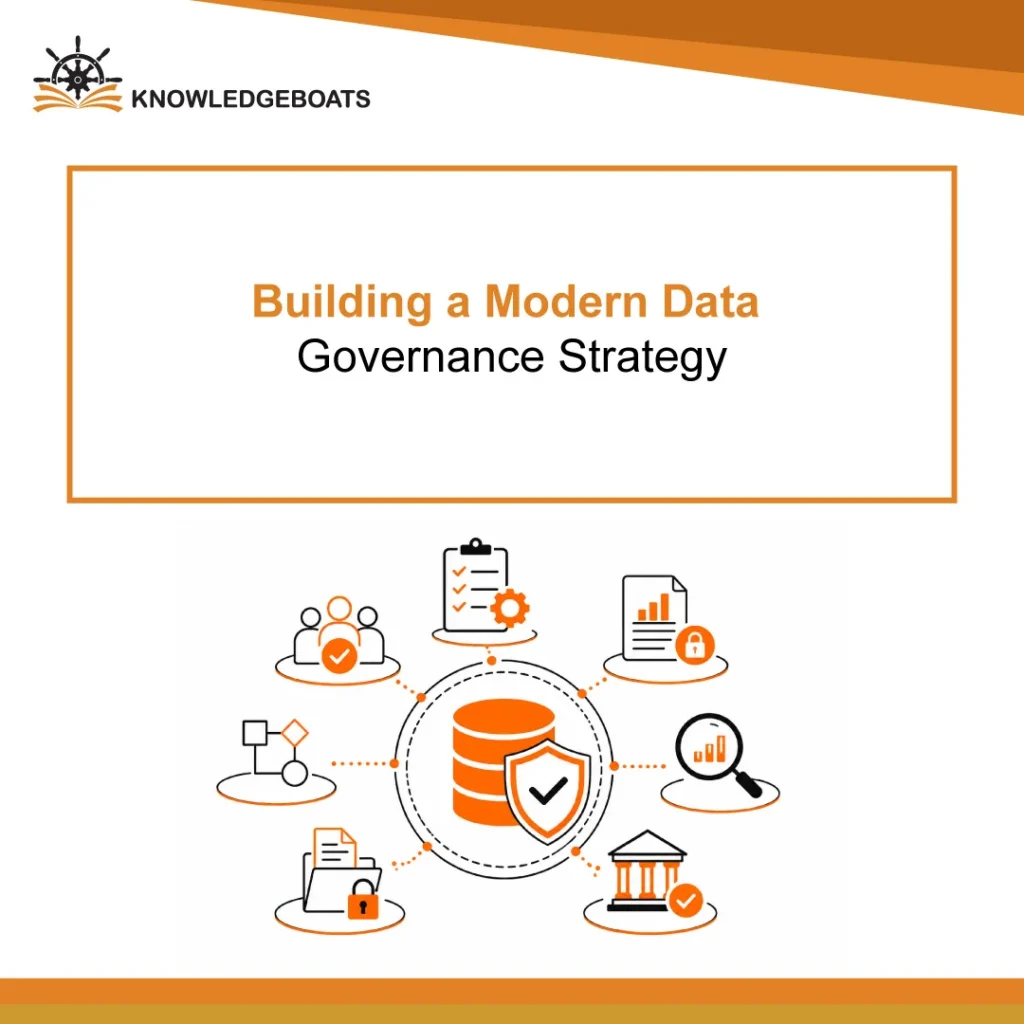
An ideal modern data governance strategy provides B2B enterprises with an architecture that treats data as a managed asset, enabling organizations to make decisions based on trustworthy data. Despite having data, many B2B teams lack governance, and the difference between the two is organizational rather than technical. An enterprise data governance framework that lacks enforcement, […]
Why Data-Driven Energy Decisions Matter in Facilities
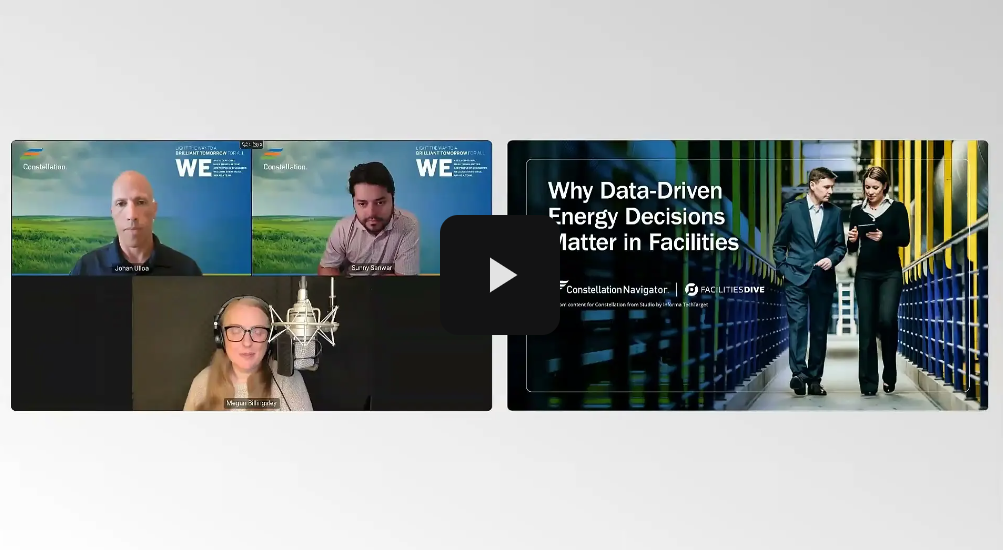
With facilities leaders under increasing pressure to justify decisions with measurable outcomes, a data-driven approach to decisions has become essential. But energy data extends far beyond utility bills — usage patterns, demand profiles, rate structures, equipment performance, weather impacts, and historical cost trends all provide valuable insight. And when these data sources are brought together, […]