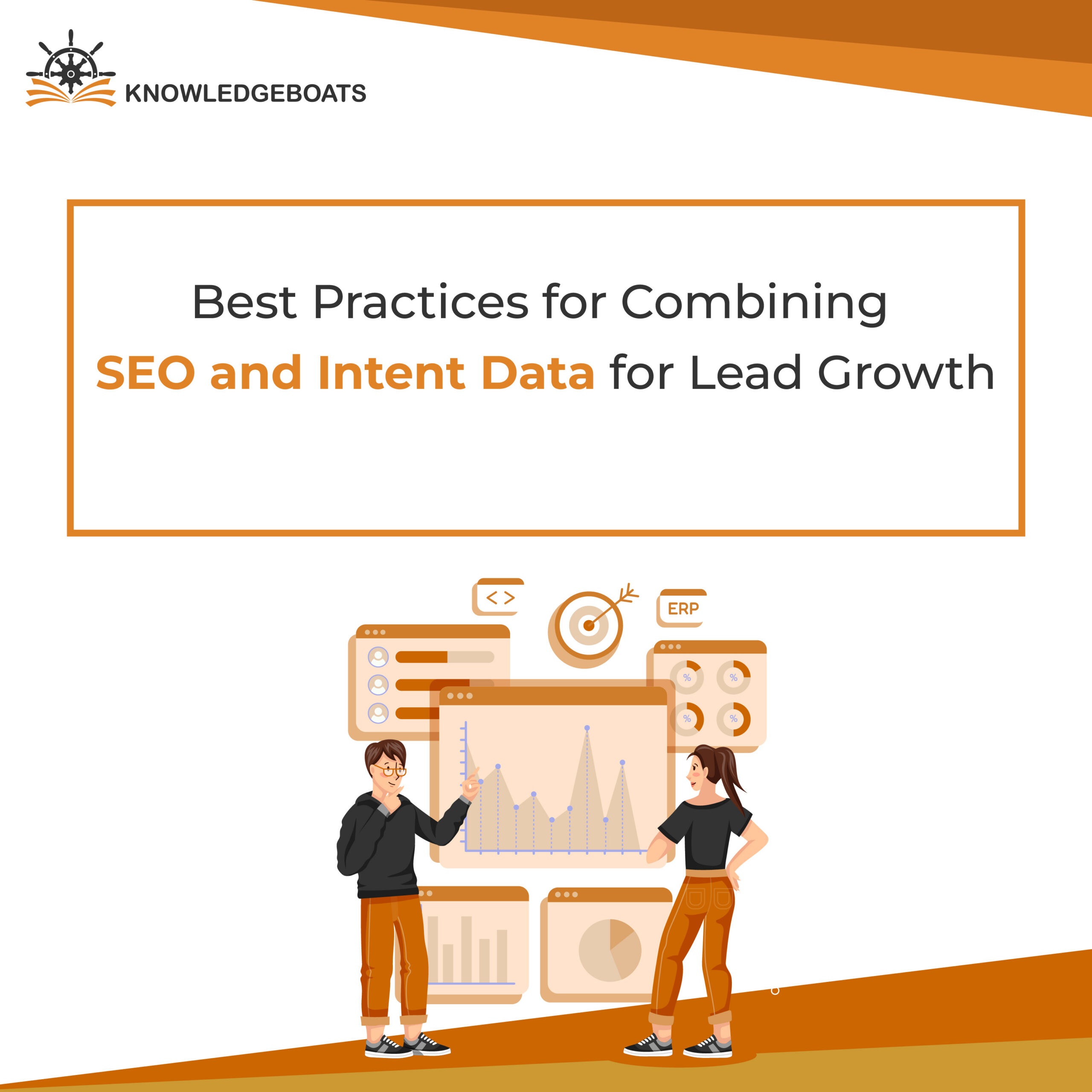
One thing I’ve learned over the years, mostly from watching marketing strategies come and go, is that you simply can’t just do SEO anymore. Sure, you can optimize for all the right keywords, but if you’re not layering in intent data, you are leaving a massive amount of money on the table.
Let me walk you through how to marry these two approaches in a way that works.
Understanding the Power of SEO and Intent Data
Traditional SEO is great for telling you what people are typing into Google. But intent data? That’s where things get interesting. It shows you the why behind the search and more importantly, exactly where someone is in their buying journey.
Think of it like this: someone searching “what is marketing automation” is in a completely different headspace than someone searching “HubSpot vs Marketo pricing comparison.” The second person is likely talking to their CFO next week. That’s the difference intent data makes.
When you combine these insights with your SEO strategy, you stop playing the traffic game and start playing the revenue game. And let’s be honest, that’s what really matters.
Why This Approach Changes Everything for Lead Gen
Here’s what happens when you start layering intent data onto your SEO efforts:
You can spot companies that are actively shopping around in your space before they even land on your website. You’ll finally know which content topics are moving the needle versus just generating vanity metrics. You can reach out to prospects when they’re “hot,” not six months later after they’ve already signed with a competitor. Best of all? Your sales team stops complaining about garbage leads because you’re sending them people who are ready to talk.
The feedback loop this creates is pretty remarkable. The more you refine it, the better those results get.
A Step-by-Step Guide to Intent-Driven SEO
1. Start With Smarter Keyword Research
Forget everything you know about basic keyword categorization for a minute. Informational vs. Transactional intent matters, but you’ve got to go deeper.
I’d recommend using tools like Bombora or 6sense to see what topics are trending among your actual target accounts. Here’s a trick that’s worked well for me: if you notice multiple people from the same company searching related terms, that isn’t a coincidence. That’s an organization-level buying signal, and you should be all over it.
2. Match Your Content to Real Buyer Behavior
This is where a lot of people get it wrong. They create content for the funnel without really thinking about what a human needs at each stage.
Here’s how I look at it:
- Early stage: Someone just realized they have a problem. Give them educational content that helps them understand what they’re dealing with. No sales pitch needed yet.
- Middle stage: Now they’re comparing options. This is where comparison guides and case studies come in. Be honest about your strengths and where you might not be the perfect fit, trust me, it builds way more credibility.
- Late stage: They’re ready to pull the trigger. Product pages, ROI calculators, and demo videos make it easy for them to say yes.
The magic happens when you serve the right content at the exact right moment. That’s how you accelerate deals.
3. Focus on Keywords That Actually Convert
Not all keywords are carry equal value, and this is where intent data becomes your secret weapon.
I’ve stopped chasing high-volume keywords that don’t convert. Instead, I look for terms that scream “I’m ready to buy,” like problem-specific searches, vendor comparisons, and implementation questions. Someone searching for “alternatives to [your competitor]” is a hot lead. Someone searching “what is [your category]” might be one eventually, but they aren’t ready today.
Your job is to prioritize. Chase quality over quantity every single time.
4. Get Your Teams Actually Talking to Each Other
This is probably the most underrated part of the strategy. Your SEO team can’t work in a vacuum, and neither can sales.
Set up shared dashboards so everyone is looking at the same intent signals. When someone from a target account reads three blog posts about a specific problem you solve, that should trigger an immediate alert for your sales team. I’ve seen deals close in days instead of months just because of this kind of coordination.
Best Practices for Integration
- Match Content to Search Intent: If someone searches “how to use intent data in your SEO strategy,” they want a practical guide not a 3,000-word blog about the future of marketing. Give people what they’re looking for, then gently guide them toward the next step.
- Include Clear CTAs: I always include CTAs that match the stage. Educational piece? Offer a related guide. Comparison article? Link to a demo or free trial. Make it feel natural.
- Use the Right Tools: You don’t need to spend six figures on a tech stack, but you do need some solid tools. Clearbit Reveal can show you which companies are visiting your site. Intent platforms like Bombora tell you what those companies are researching elsewhere on the web. This intelligence is gold.
- Pay Attention to Off-Site Signals: Here’s something people miss: intent data isn’t just about what happens on your website. If your target accounts are suddenly reading tons of articles about your category on review sites, that’s a massive signal. Create content that intercepts them during that research phase.
- Track Metrics That Actually Matter: Rankings and traffic are nice, but they don’t pay the bills. Start measuring things like conversion rate by keyword intent, time-to-close for intent-qualified leads, and how much pipeline your organic traffic is generating.
Advanced Moves
Once you’ve got the basics down, try these:
- React fast to intent surges: When you see a spike in interest around a specific topic, jump on it. Create and optimize content quickly to capture that wave before your competitors even notice it’s happening.
- Personalize on the fly: If someone from a known account visits your site and they’ve been showing high intent around a specific use case, show them relevant case studies. Dynamic personalization like this can double your conversion rates.
- Connect the dots across channels: Use your intent insights for paid campaigns, too. Someone who read your high-intent content deserves different retargeting than someone who just stumbled onto your blog once.
Wrapping Up
Combining SEO with intent data isn’t some far-off “future” strategy. It’s what separates the companies crushing their growth targets from the ones wondering why their traffic isn’t converting.
Start small if you have to. Pick one or two high-value keywords, layer in some intent data, and see what happens. Measure it, figure out what’s working, and do more of that.
The businesses getting this right are building a massive advantage. There’s no reason you can’t be one of them.